
Mental Health Awareness Month, Winston Churchill, and Moral Injury
What did Winston Churchill have to say that is pertinent to Mental Health Awareness Month 2024? What did this legendary British Prime Minister state that relates to today, over 80 years since he stirringly led Britain through the perilous fight against Hitler’s armies? Here’s how I think that his words relate to moral injury and our society today.
Churchill said, “We must all turn our backs upon the horrors of the past. We must look to the future. We cannot afford to drag forward across the years that are to come the hatreds and revenges which have sprung up from the injuries of the past” (Churchill, September 19, 1946).
Although Churchill spoke to the survivors of a years-long and almost unimaginably brutal war, the lesson is the same. Moral Injury Support Network for Servicewomen recognizes that many female soldiers have been severely wounded by the sexual trauma and misogyny that are often part of the environment in which they worked and served our nation. After leaving the military they often experience depression, anxiety, suicidal ideation, and wrenching family relationships. Thus, they are dragging with them negative results of their past experiences. The research, counseling, and advocacy of the chaplains of MISNS can help them to look to the future with renewed joy and hope.
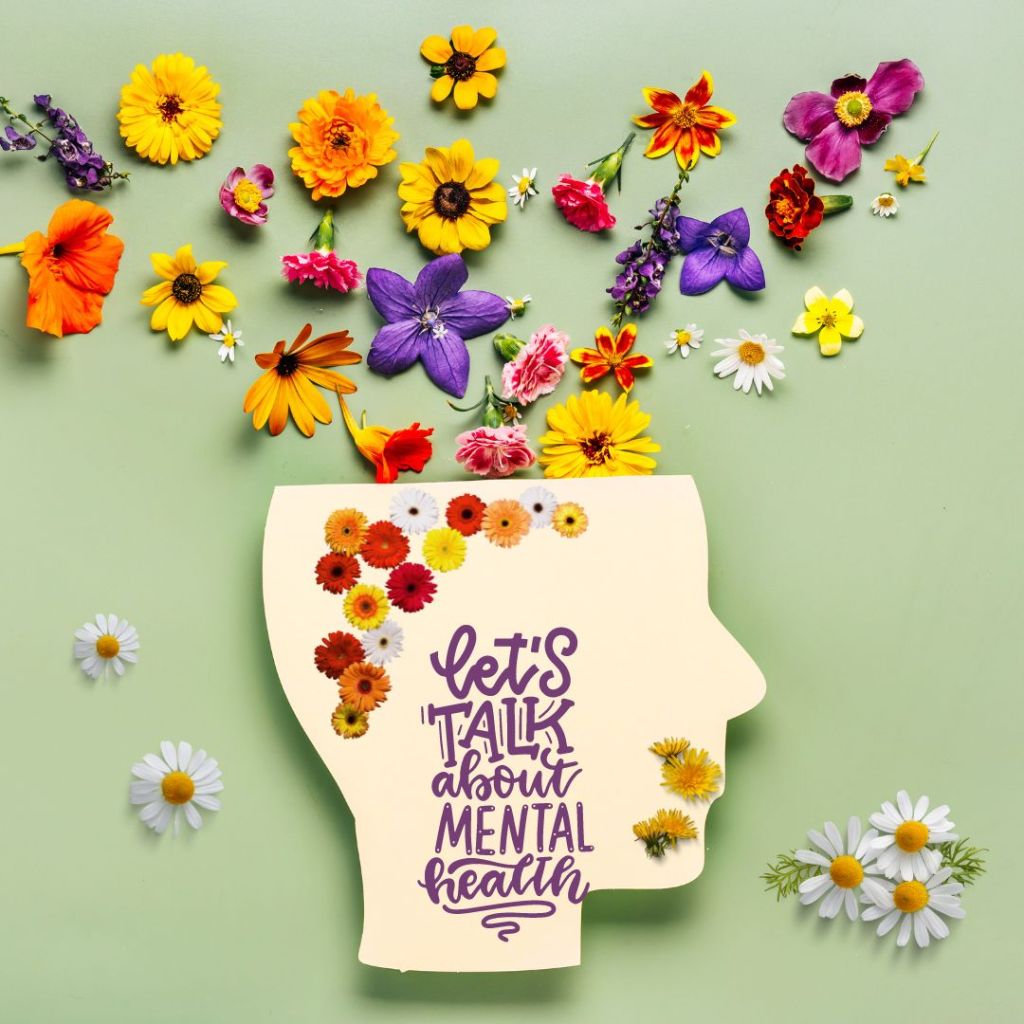
The American mental health community, of which MISNS is a part, designates May as Mental Health Awareness Month. We know there are many causes and reasons for mental health issues. As a disclaimer, the moral injury experienced by soldiers, first responders, and healthcare workers is not a traditional mental health issue, as it is a natural psychological response to an intolerable situation. Yet the morally injured population still benefits from similar strategies and practices as are available to all individuals.
Around 700,000 veterans live in North Carolina, and our state needs to pay attention to their challenges. After active duty and devoting their lives to serving their country, veterans reenter society and must join a new community, develop a new mission, and craft a new identity. It is no wonder that the mental and physical health of our veterans suffers, and particularly that of our female veterans. One innovative response is shown in a documentary called The veterans battlefield: a story of North Carolina’s veterans which is available for screening. Featuring the stories of both male and female veterans, it showcases the Veterans Service Offices and their psychological services, including the Veterans Healing Farm, a residential community in Hendersonville, North Carolina (The Veterans Battlefield, 2024)
This nation’s and indeed the world’s current mental health situation is very concerning, and innovative answers are needed. Thought leaders are questioning many current ideas in psychology and psychiatry. Neuroscientists are advocating leaving the biomedical model of mental illness behind and opting instead for the biopsychosocial model. They think we should look at the social and structural factors like trauma and upstream situations that create the conditions for mental health concerns (Russell, May 2, 2024).
Moral Injury Support Network is at the forefront of research and advocacy for counseling female veterans specifically so that their trauma and distress can be alleviated. Often mental health issues must be placed in the context of our larger society, and the focus must be on integrating the mind and body within the larger often dysfunctional social environment. Multiple underlying roots influence mental health, so the toolkit must contain various specialized tools. Addressing these needs, the theme for this year’s mental health week is “Where to start: mental health in a changing world (2024, https://www.mhanational.org/mental-health-month). MISNS is a vital part of the nation’s and the world’s response for attaining better mental health.
Susan Sganga is the Media Specialist for Moral Injury Support Network for Servicewomen, Inc. and is a public health specialist located in North Carolina. She can be reached at 704-254-1548 or susanpsganga@gmail.com.
Sources
Churchill, W. (1946). Never Give In! Winston Churchill’s Greatest Speeches. https://www.audible.com/blog/quotes-winston-churchill
Russell, J. (May 2, 2024). Who do we leave behind when we ignore the body? Why critical neuroscientists and Mad activists must work together. https://www.madinamerica.com/2024/05/who-do-we-leave-behind-when-we-ignore-the-body/
The veterans battlefield: a story of North Carolina’s veterans. (2024). https://www.theveteransbattlefield.com/homeWhere to start: mental health in a changing world. (2024). https://www.mhanational.org/mental-health-month