
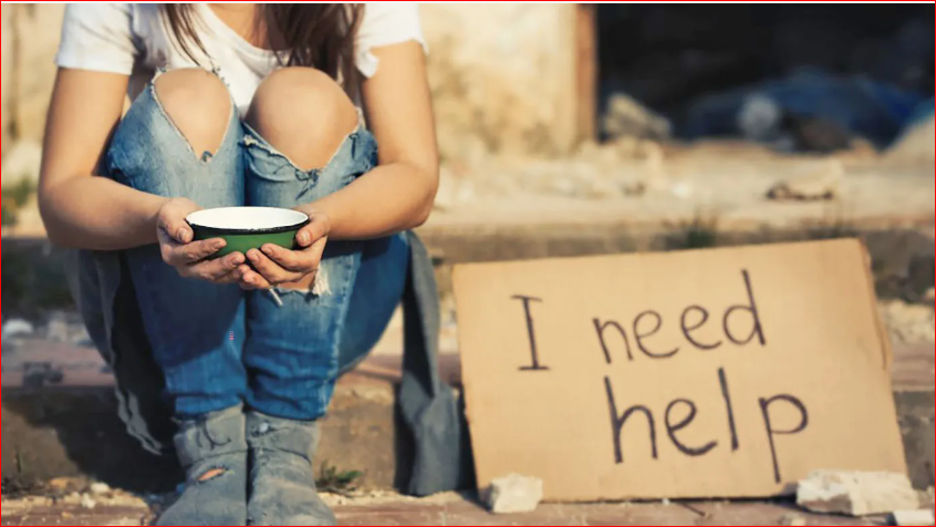
From 2020 to 2023 homelessness among women veterans increased by 24%, from 3,126 to 3,980, according to data from the U. S. Department of Housing and Urban Development. Unique factors drive this concerning statistic. MST (military sexual trauma), IPV (intimate partner violence), MI (moral injury), poverty, and single parenthood contribute to housing instability for these veterans. More complex factors often coexist with and underly these visible life experiences. Adverse childhood experiences (ACES), substance use, unemployment, or a PTSD diagnosis are complicating factors contributing to homelessness.
A key finding when servicewomen are screened by VA health care is that one in three female veterans say that they were sexually assaulted or harassed during their military service. (VA News, January 19, 2024). Nearly 45% of female veterans in the VA’s Department of Veteran Affairs recent survey have documented histories of sexual trauma while in service (Hersey, December 26, 2023).
Typical of these women who experienced military sexual trauma are these two soldiers. Cassandra was date-raped by two fellow soldiers, but when she was discovered in bed with them by her sergeant she was the one who was reprimanded by him and had privileges taken from her. Kori’s supervisor felt he could routinely take advantage of her when she was stationed alone out on the sand dunes during the Gulf War (Chakarova, November 9, 2012).
These women enlisted to serve their country and their fellow soldiers. Suffering moral injury while pursuing this higher calling should never have happened, but it did. Many servicewomen report hazing and extreme disrespect based solely on their gender. As seen in the previous accounts, superior officers are often the perpetrators of rape or coercion. When those ranked above a female soldier in the chain of command are the guilty party, the soldier feels betrayed, with no hope of justice. Moral or ethical violations result from a woman’s participation in sexual coercion, although it’s not her fault. She experiences guilt and shame due to systemic misogyny.
A lifetime of research, counseling, and advocacy by Dr. Daniel Roberts, founder and CEO of MISNS (Moral Injury Support Network for Servicewomen), documents the long-term consequences to female veterans affected by moral injury. His research shows that they frequently experience anxiety, depression, self-harming behaviors, and suicidal ideation. Readjustment and mental health issues like these often lead to homelessness and despair. Caring for children and the high cost of housing exacerbate a female veteran’s struggles as she works to transition back into society.
Untreated PTSD, MST, and MI (moral injury) increase the risk that female veterans will experience substance use, depression, and homelessness. Uniquely, these women often hesitate to ask for help for fear they will lose custody of their dependent children.
Dr. Roberts envisions a future where servicewomen receive the support they deserve, and where moral injury is effectively recognized and addressed. A crucial aspect of this work is the counseling and support provided by The Harriet Tubman Chaplain Network.
Learn more about Moral Injury Support Network for Servicewomen, Inc. and sign up for our newsletter at: https://misns.org.
Get to know our team: https://misns.org/about-us/
Donate to our cause: https://misns.org/donation/
To learn more and become better equipped for service, we welcome you to attend the annual Comprehensive Moral Injury Conference this summer in Sandy Springs, Georgia, from September 16-19, 2024.
Click here for further information and to register: https://misns.org/programs/cmic/
Susan Sganga is the Media Specialist for Moral Injury Support Network for Servicewomen, Inc. and is a public health specialist located in North Carolina. She can be reached at 704-254-1548 or susanpsganga@gmail.com.
Sources
Chakarova, Mimi, (November 9, 2012). Her war: the invisible crisis of women veterans. Reveal News. https://revealnews.org/article/her-war-the-invisible-crisis-of-women-veterans/
Hersey, Linda F. (December 6, 2023). Nearly half of female vets in VA homeless programs have experienced sexual trauma in the military. Stars and Stripes. https://www.stripes.com/veterans/2023-12-06/female-veterans-homelessness-sexual-trauma-12276895.html
VA News. (January 29, 2024). The state of homelessness among women Veterans in 2023. https://news.va.gov/127679/state-of-homelessness-among-women-veterans-2023/